What is PPF on a Car?
Key Takeaways
- PPF (Paint Protection Film) is a thin, clear polyurethane layer that shields a car's paint from rock chips, scratches, and UV damage.
- Premium PPF often includes self-healing properties that erase light scratches and swirl marks when exposed to heat.
- PPF and ceramic coating solve different problems: PPF blocks physical damage, while ceramic coating makes surface easier to clean, UV protection, and excellent water beading.
- Cost ranges from $1,200 dollars for partial coverage to several thousand for a full-body wrap, with quality film lasting 5 to 10 years.
What Does PPF Stand For and How Does It Work?
PPF stands for paint protection film. It's a thin, transparent (or sometimes colored) polyurethane layer applied directly over a car's factory paint. Think of it as an invisible shield: it sits on top of the clear coat and takes the hit from road debris, gravel, and everyday wear so the paint underneath doesn't have to.
Unlike a wax or sealant that sits on the surface temporarily, PPF is a physical film. It's applied panel by panel, then trimmed and tucked around edges so it looks (and feels) like it isn't there at all.
Key Benefits of PPF
1. Impact and Scratch Resistance
PPF acts as a sacrificial layer. When a rock kicks up off the highway or a shopping cart swings a little too close, the film absorbs the impact instead of the paint underneath. That's what prevents the chips, scuffs, and light scratches that would otherwise dig into the clear coat.
2. Self-Healing Properties
Many premium films, including the XPEL film TCT Wraps installs, use a topcoat that responds to heat. Light scratches and swirl marks can disappear on their own after sitting in the sun or getting a warm wash, no polishing required.
3. Stain and UV Protection
Bird droppings, bug splatter, and tree sap can etch into paint if they sit too long, and constant sun exposure fades color over time. PPF creates a barrier that keeps those contaminants from reaching the paint and helps protect the color underneath from UV fading.
Common Areas to Apply PPF
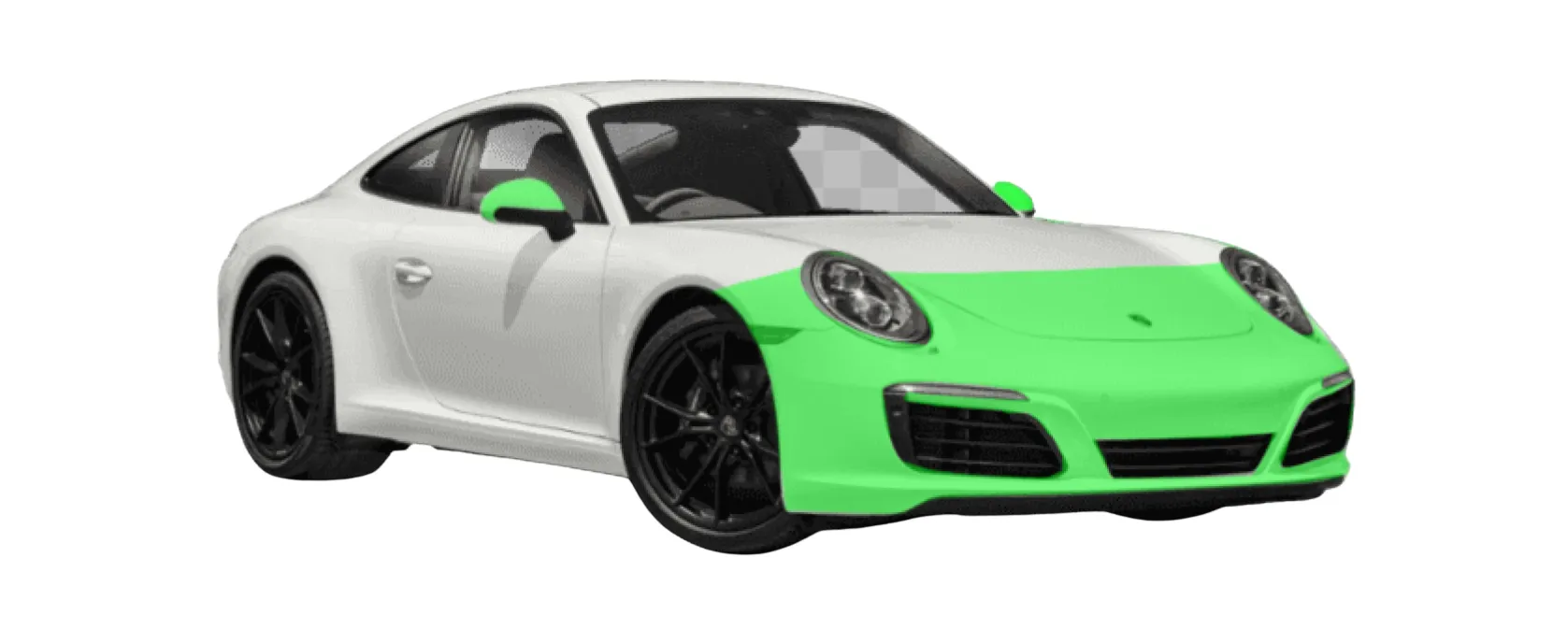
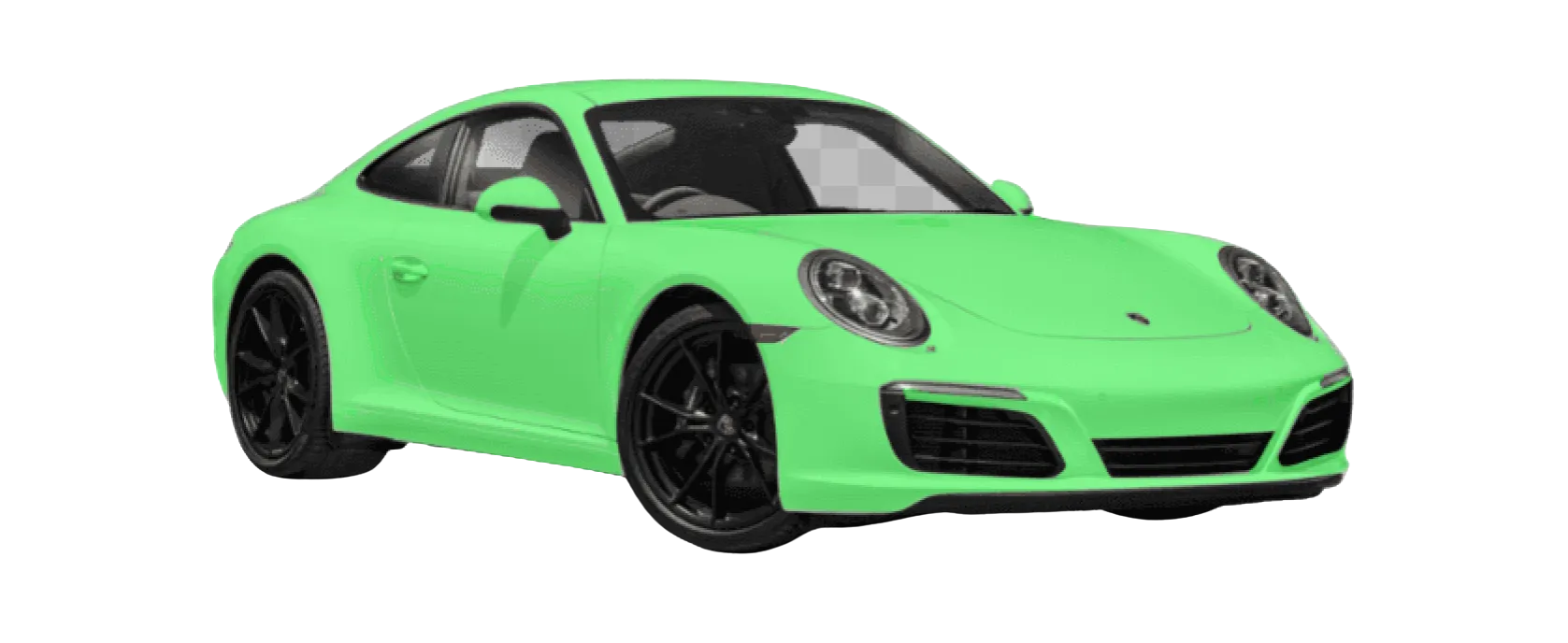
PPF doesn't have to cover the entire car. Coverage generally falls into two categories:
- Full-vehicle coverage protects every painted panel and offers the most complete, long-term protection.
- Front-end coverage targets the high-impact areas that take the most road abuse, making it a popular, budget-friendly starting point.
The most common front-end coverage zones are:
- Front bumper
- Full hood
- Full fenders
- Back of mirrors
- Door cups and edges
Protect Your Paint Before the Damage Is Done
Every mile on the highway is a chance for a rock chip, a scratch, or a little bit of sun fading. XPEL paint protection film gives your car a real, physical shield against all three, installed by certified professionals right here in Hillsboro, OR.
See PPF Packages and Pricing →
Not sure how much coverage you need? Get a free recommendation based on your vehicle and how you drive.
PPF vs. Ceramic Coating: What's the Difference?
These two get confused constantly, but they solve different problems.
Here's the difference at a glance:
| PPF | Ceramic Coating | |
|---|---|---|
| What it is | A physical, thick polyurethane film | A liquid chemical polymer |
| Protects against | Rock chips, scratches, physical impacts | Water spots, dirt, UV fading, loss of gloss |
| Adds gloss | Minimal | Yes, significantly |
| Hydrophobic (water-repelling) | Some films, but not the primary function | Yes, this is its main strength |
| Typical lifespan | 5 to 10 years | 2 to 5 years, depending on product |
The two aren't competitors. In fact, many owners apply ceramic coating over PPF to get physical protection and a hydrophobic, high-gloss finish at the same time.
How Much Does PPF Cost, and How Long Does It Last?
PPF installation is a skilled, labor-intensive process, and pricing reflects that. Partial coverage (like a front bumper and hood) can start at $1,200 dollars, while a full-body wrap can reach several thousand, depending on the vehicle size and film chosen.
Quality PPF typically lasts 5 to 10 years, depending on your climate, how often the car is washed, and how well it's maintained. Because it's protecting the paint underneath for that entire window, PPF is best thought of as a long-term investment in the car's condition and resale value, not just a one-time cosmetic add-on.
Is PPF Worth It for Your Car?
For daily drivers logging highway miles, or for owners who plan to keep or eventually sell their vehicle in strong condition, PPF is one of the more effective ways to keep factory paint looking new. It won't prevent every type of damage (deep gouges from a major impact can still get through), but for the day-to-day wear that adds up over years of driving, it's a meaningful layer of protection.
The material is designed to be durable and resistant to yellowing when properly maintained, which is part of why higher-quality films can hold up for years rather than months.
PPF vs. Vinyl Wrap: A Quick Comparison
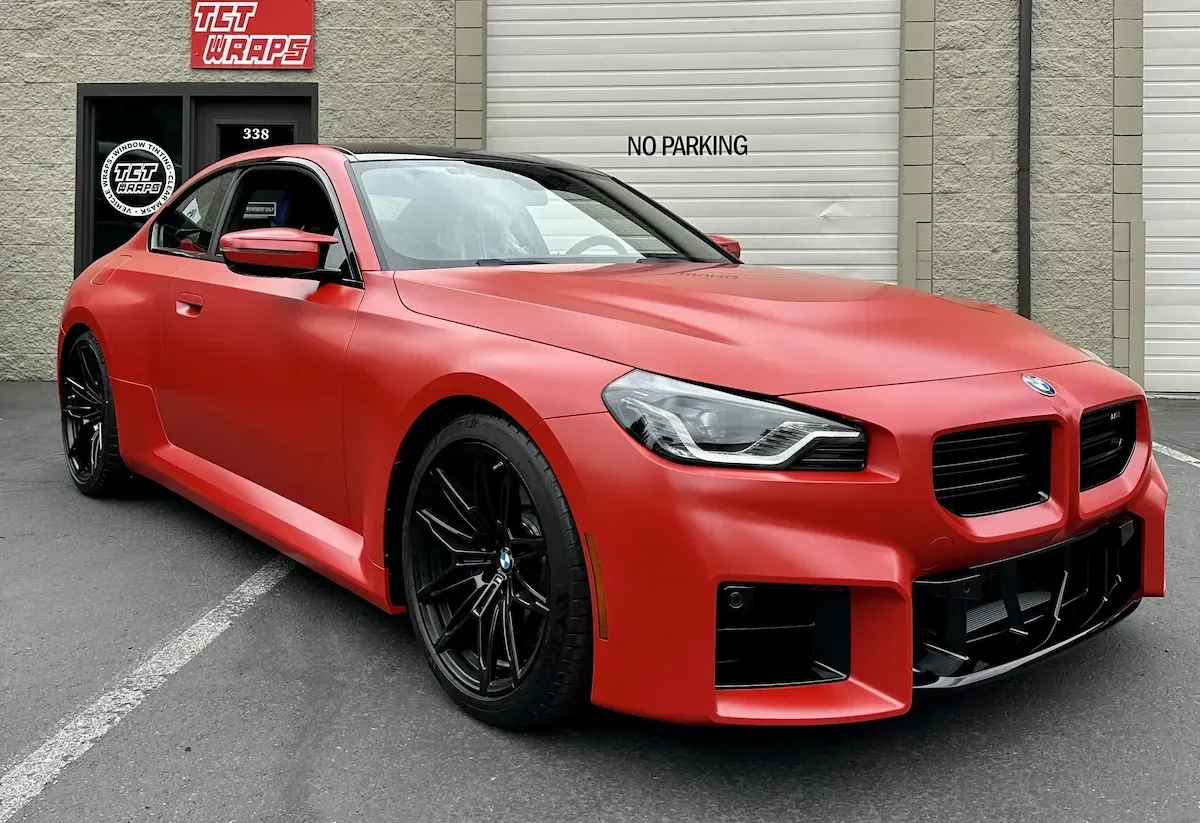
These two also get mixed up. Vinyl wraps are primarily a styling product, used to change or accent a vehicle's color. PPF is primarily a protection product, and while it can be applied in a satin or colored finish, its main job is guarding the paint underneath, not changing its look. Some owners combine both: PPF on high-impact areas, with a vinyl wrap over the top for color changes elsewhere.
PPF FAQs
- Does PPF turn yellow over time? Lower-quality films can yellow with age and sun exposure, but premium films like XPEL are engineered to resist yellowing for years when installed and maintained correctly.
- Can PPF be removed without damaging the paint? Yes. When installed correctly by a trained professional, PPF can be removed later without harming the factory paint underneath.
- Does PPF void my car's factory warranty? No. PPF is a surface-level protective layer and does not affect a vehicle manufacturer's factory warranty.
- What is the main difference between XPEL Ultimate Plus and XPEL Stealth? The primary difference is the aesthetic finish.
- XPEL Ultimate Plus is a crystal-clear, high-gloss paint protection film (PPF). It is designed to be virtually invisible, preserving and enhancing your car’s original glossy paint.
- XPEL Stealth has a satin, matte finish. It is used to protect factory matte/satin paint, or to transform a standard glossy vehicle into a sleek, satin-matte look without requiring a custom paint job.
Getting Started
PPF gives your car's paint a real layer of defense against the everyday stuff, rock chips, scratches, sun fading, that adds up over years of driving. It's not a cosmetic trick; it's a physical shield that protects the investment you've already made in your vehicle.
Start by figuring out how much coverage actually makes sense for how you drive: a few high-impact panels, or the full vehicle. That decision comes down to your daily routes, how long you plan to keep the car, and your budget.
Why Choose TCT Wraps?
The single biggest advantage you get at our shop is unmatched, proven expertise. While many local shops are still learning the ropes, our lead installer brings over 26 years of hands-on experience to the table—a level of seasoned precision that very few shops can match. When you trust us with your vehicle, you're getting decades of perfected craftsmanship.
If you're ready to see what that looks like for your specific vehicle, TCT Wraps installs XPEL paint protection film for drivers throughout Hillsboro, Portland, Beaverton, and Tigard. Visit our PPF page to see coverage packages and finishes, or get in touch for a recommendation tailored to your car.
Recent Posts